

Quiet Corners, Big Ambitions: Rental‑Friendly Ways to Carve a Work Nook

Today we dive into rental-friendly partition and zoning systems for temporary home work nooks, exploring clever pressure-fit frames, freestanding shelves, folding screens, and layered textiles that protect deposits, respect landlord rules, and transform small rooms into focused sanctuaries without drilling or permanent alterations. Expect practical layouts, gentle acoustic improvements, and portable ideas that adapt when your schedule, roommates, or inspiration inevitably shift.

Pressure-fit frames that stand without screws

Use adjustable tension poles or modular pressure-fit frames to define a quiet slice of space between floor and ceiling. They install in minutes, hold lightweight panels or fabric, and avoid holes entirely. Add removable hooks for clip-on task lights, keep clearances around sprinklers, and celebrate the liberation of moving your workspace as easily as rearranging a chair.

Bookcases on duty as walls and storage

Turn a sturdy, freestanding bookcase perpendicular to a wall to become a shallow partition that also swallows clutter. Style the visible side with plants and closed boxes for calm, and keep chargers, notebooks, and reference books on the hidden side. Add felt pads and discreet furniture straps for stability without drilling, then roll a low cart behind it to extend the boundary.

Folding screens that travel room to room

A lightweight folding screen is the traveling magician of small homes, disappearing behind a sofa when you log off and reappearing near the kitchen during weekend creative sprints. Choose breathable materials that bounce gentle light rather than creating darkness. Clip a fabric pocket for pens, hang a small calendar, and let its pattern set a work‑only mood that politely closes at day’s end.

Smart Partitions That Don’t Upset Your Lease

Create privacy and purpose without leaving a trace. Pressure-mounted frames, freestanding bookcases, and folding screens shape a dependable boundary that still respects airflow, daylight, and fire safety. These solutions move when you do, reset when guests visit, and help focus bloom in cramped apartments, studios, or house shares. Share what you try, ask questions in the comments, and subscribe for weekly layouts tested in real rental life.

Planning the Zone: Light, Flow, and Sightlines

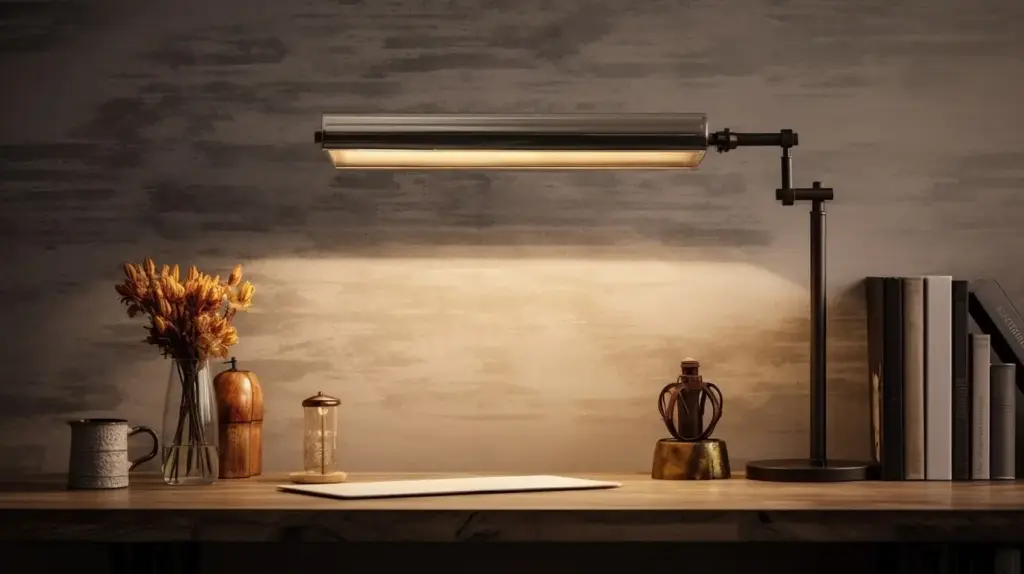
Natural light supports alertness, but glare wrecks screens and patience. Angle your desk so windows sit to the side, then filter brightness with sheer curtains on tension rods. Use a portable task lamp to balance shadows, and add a pale partition surface to bounce soft illumination. This creates steady light for reading, sketching, and calls, while preserving comfort across seasons.
Curate a calm background by placing a partition or styled bookcase behind your chair, eliminating doorways and passing roommates from the frame. Keep colors muted, add one personal object, and use a clip-on webcam light for consistency. A subtle rug inside your zone signals boundaries, reminding you and everyone else that when the rug is active, focus comes first and interruptions wait.
Designate a clean corridor from entry to kitchen and bathroom so roommates can move without bumping into your concentration. Keep partitions out of swing paths, avoid blocking outlets, and route cables away from feet. Mark edges with low-profile, contrasting tape if needed. You’ll reduce micro‑frictions that chip away at productivity and preserve house harmony while your nook quietly does its job.

Sound Softeners for Concentration

Apartments echo. Layer textiles, soft partitions, and smart habits to lower distractions without turning your place into a recording studio. Pair rugs with curtain partitions, place felt on the back of shelves, and mind door gaps. Add white‑noise gently, not aggressively. Invite housemates into a sound pact, and enjoy a workspace that hums rather than rattles. Share your favorite low‑cost noise fixes with readers.

Textiles that tame echo in hard-floored apartments

Rugs, curtains, and upholstered panels swallow reflections and soften footfall. Place a dense rug under your chair, drape a second curtain layer on a tension rod near your partition, and add a cozy throw to your seat. These layers dampen clatter, reduce fatigue, and whisper a psychological cue: inside this zone, our voices lower, our shoulders drop, and our minds find traction.

Portable panels and felt tiles with removable adhesive

Freestanding acoustic panels or peelable felt tiles allow targeted control right where noise bounces. Stand panels behind monitors or beside doors, then store them flat under a bed after hours. Choose removable adhesives designed for painted walls, follow cure times carefully, and test a discreet area first. You’ll protect surfaces while nudging reverberation down toward comfortable, considerate levels for everyone nearby.

Friendly noise rituals for cohabitants and neighbors

Kindness beats confrontation. Post a small sign on your partition with call times, share a weekly schedule, and keep headphones ready for shared quiet periods. A soft door sweep and draft snake reduce hallway spill. Celebrate wins together with snacks after big deadlines. When the home dances to predictable rhythms, even thin walls cooperate more, and your temporary nook feels remarkably permanent in spirit.

No-Drill Mounting and Damage-Free Tricks

Stretch creativity, not your deposit. Combine adhesive hooks, tension rods, C‑clamps on furniture edges, and furniture weights to anchor partitions without holes. Distribute loads, check weight ratings, and clean surfaces before sticking anything. Think vertical: hang organizers from rods, not walls. Keep a gentle removal kit—fishing line, citrus adhesive remover, patience—so teardown is calm, quick, and completely forgettable for your landlord.
Pick hooks matched to surface type, follow cleaning instructions, and respect weight limits with a margin of safety. Double up hooks for fabric partitions to spread strain, and use release tabs for removal. Date your installations with tape so you remember when to reassess. Document the setup with photos for peace of mind, and store spare strips in a labeled envelope.
A strong tension rod becomes a stealth backbone for curtains, lightweight pegboards, or pocket organizers. Place rubber ends against trim or tile, test for slip, and add a second rod for layered fabric that blocks visual noise. Clip on baskets for markers and cables. When you move, collapse the rod, roll the fabric, and your entire boundary disappears into a narrow tube.

Calming palettes that delineate work time

Select two primary shades and one accent to reduce visual clutter. Paint is off‑limits? Use fabric panels, desk mats, and storage boxes to carry color through the zone. A single accent stripe on a folding screen can orient attention. When you close the screen, work closes with it, giving your brain a crisp boundary between commitment and rest without a single nail.

Texture stories that feel professional yet homely

Pair smooth desks with nubby throws, soft felt organizers, and matte partitions that diffuse light. Texture adds depth without visual chaos, while hinting at professionalism through restraint. Avoid too many glossy surfaces that bounce glare on calls. Let your fingertips anchor focus: when fabric brushes your wrist and a cork tile catches a pin, your senses know they’ve arrived at work.

Greenery and biophilic touches that guide the eye

Plants soften edges and provide living punctuation marks along a partition line. Use a trailing pothos on a bookcase boundary, or a compact snake plant to frame your camera view. Natural fibers, stone coasters, and wood accents extend the effect. Small biophilic gestures stabilize attention and subtly refresh stale apartment air, while requiring nothing more than regular watering and occasional sunlight rotation.

Power, Cables, and Tech That Move With You

Cord channels that lift wires without drilling

Self-adhesive raceways trace along baseboards or desk edges, hiding cables while staying removable. Clean surfaces thoroughly, cut channels to length, and warm the adhesive slightly for better bond. Route power away from signal cables, label each line, and leave gentle service loops. When it’s time to move, peel slowly with a hair dryer and a smile, leaving paint intact.

Power where you need it with minimal clutter

Choose a slim surge strip mounted to the desk’s underside with removable fasteners, then drop a single cable to the wall. A clamp-on power hub keeps outlets within reach. Add a portable battery for balcony sessions and outages. By consolidating plugs, you reduce visual noise and risk, while making teardown as simple as lifting one cord and rolling away.

Flexible tech setups for shared households

In homes where spaces overlap, keep peripherals in labeled pouches and a laptop stand on a collapsible shelf. Use Bluetooth keyboards, foldable headsets, and magnetized cable ties. Schedule shared router reboots during lunch, and document settings on a card. These small agreements prevent turf battles, shorten setup time to minutes, and help every roommate win the day gracefully.

Pack-Down Routines, Storage, and Mindset

Temporary work nooks succeed when quitting time is clean and kind to tomorrow. Create a micro‑ritual: clear the desk, fold the screen, park the cart, and celebrate one small win. Use flat bins under the sofa for partitions, and a labeled pouch for cables. Share your teardown method with readers, compare notes, and subscribe for fresh weekend‑reset layouts that respect real life.

Five-minute teardown that protects your focus tomorrow

Set a timer, then follow the same order nightly: close apps, unplug, coil cords into a zip pouch, wipe the desk, fold the screen, and roll the cart to its nook. Leave a sticky note with tomorrow’s first task. This gentle handoff prevents morning decision fatigue, turning your compact setup into a dependable rhythm rather than a daily rebuilding project.

Flat-fold storage and multiuse carts that vanish

Choose partitions that fold flat to a closet or slide behind a bookshelf. A slim utility cart holds notebooks, chargers, and a printer, then rolls beside a wardrobe after hours. Use drawer dividers for small tech, and label shelves so everything returns quickly. The goal is theatrical: the room transforms convincingly from studio to living space, with no lingering backstage mess.

Community tips: reader hacks and swaps to try

We learn fastest together. Share photos of your partition setups, swap sources for tension rods that actually hold, and compare fabric weights for the best light diffusion. Tell us how roommates negotiated quiet hours, and what finally solved glare. Your stories turn constraints into craft, helping fellow renters build nooks that welcome ambition without compromising kindness, budgets, or deposits.

Mixakovonanaxelovoti
Privacy Overview

This website uses cookies so that we can provide you with the best user experience possible. Cookie information is stored in your browser and performs functions such as recognising you when you return to our website and helping our team to understand which sections of the website you find most interesting and useful.